Training
Why Novices Are Only Using 10% of Their Muscle Power
You’re Not Weak — You’re Uncoordinated
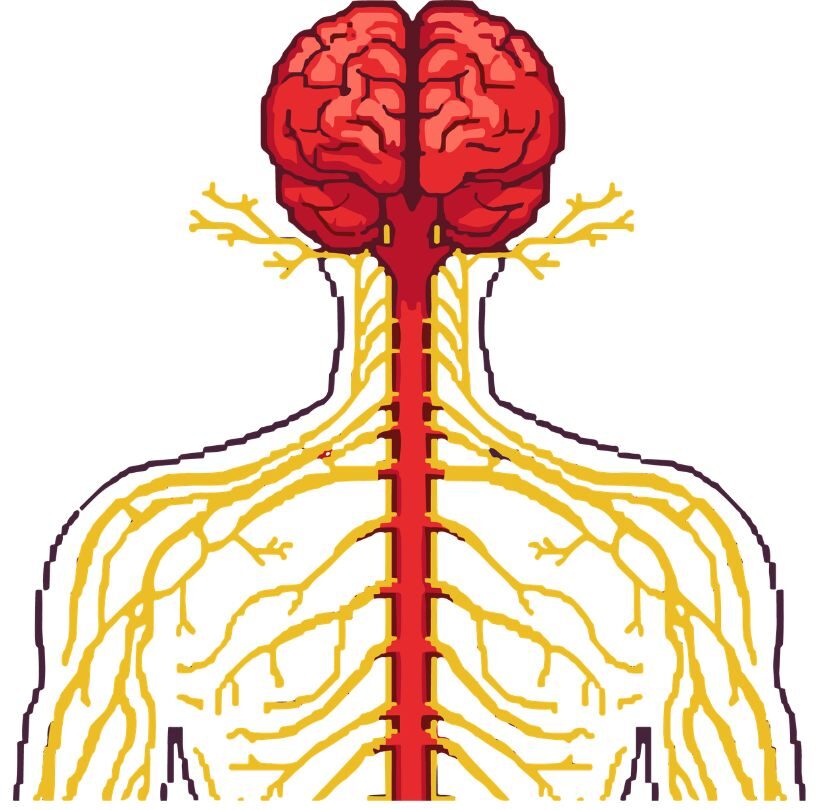
If you’re new to strength training, here’s something that might surprise you: your muscles aren’t the bottleneck. Your nervous system is.
Most beginners assume that early strength gains come from muscle growth. They don’t. In the first weeks and months of training, the gains you feel, (lifting heavier, moving with more control) come almost entirely from your brain learning to coordinate and fire multiple muscle groups in sync. Strength is a skill before it’s a size.
The Science: Motor Unit Recruitment
Every muscle contraction starts as an electrical signal traveling from your brain, down your spinal cord, to the muscle fibers themselves. These fibers are organized into groups called motor units, which is a single motor neuron plus every muscle fiber it controls. The number of motor units your nervous system can recruit at once, and how quickly it can make them fire, determines how much force you can actually produce.
Here’s the gap: an untrained person typically recruits only 7-12% of their available motor units during a lift. A trained athlete recruits 80-90%. That’s not a difference in muscle tissue. In fact, that discrepancy can exist even if both people have similar muscle mass. The difference is in central nervous system (CNS) efficiency.
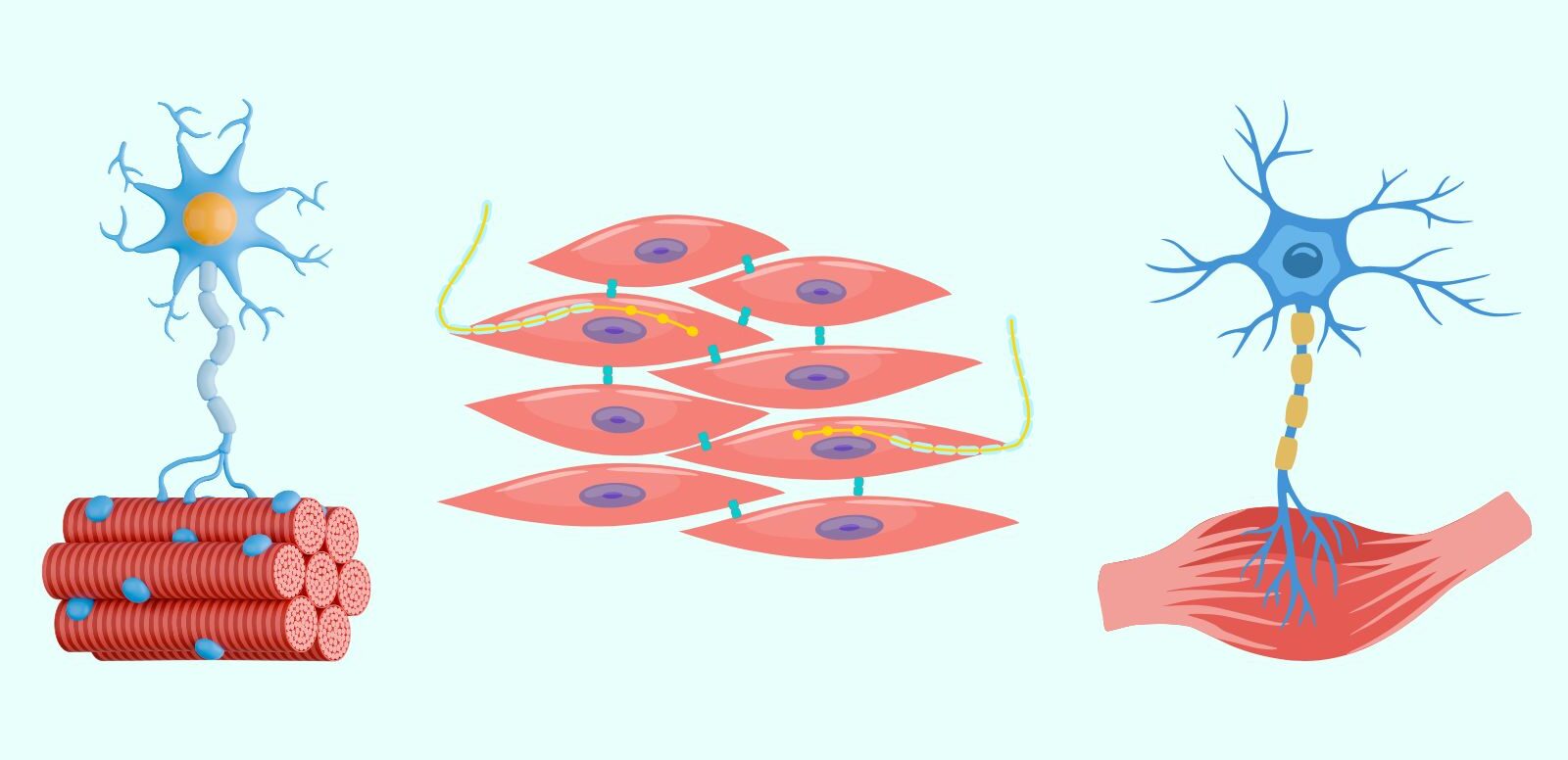 Motor units are recruited in a predictable order, known as Henneman’s size principle: small, low-force units fire first, and larger, more powerful units only switch on as demand increases. For an untrained nervous system, three things are working against full recruitment:
- Undertrained rate coding. Even once a motor unit is recruited, the rate at which it fires determines how much force it contributes. Beginners’ nervous systems haven’t learned to ramp firing rate quickly, so contractions stay submaximal.
- Poor intermuscular coordination. Lifting isn’t just one muscle working — it is synergists, stabilizers, and prime movers firing in a coordinated sequence. Untrained clients often have agonist and antagonist muscles fighting each other slightly, which caps how much net force gets through.
- Neural inhibition as a protective reflex. The nervous system has built-in safety mechanisms (like the Golgi tendon organ reflex) that limit force output when a movement pattern is unfamiliar or feels unstable. Your brain, essentially, doesn’t yet trust your body to handle full output safely, so it won’t allow it.
As training progresses, none of these are fixed by adding muscle. They’re fixed by repeated, progressively loaded exposure that teaches the CNS the movement is safe, familiar, and worth committing more motor units to. This is why beginners can see strength jump 20-30% in the first several weeks with almost no visible change in muscle size — it’s a neurological adaptation, not a structural one.
How We Unlock It
Because the limiting factor early on is neurological, we build your program around teaching your nervous system to recruit more of what you already have before we ever worry about adding muscle mass.
 One of the key tools we use is Intentional Maximal Concentric Acceleration (IMCA) — training the concentric (lifting) phase of a movement with intentional, maximal acceleration against a submaximal load. The high-threshold motor units (HTMUs) responsible for real strength and power typically only activate when force or velocity demands are high enough. IMCA creates that demand through speed of intent rather than through heavier and heavier loading, which means we can teach your nervous system to reach for those higher-threshold units without exposing you to the injury risk of constantly pushing near-maximal weight.
Every program starts with a structural balance assessment, so we know exactly where your coordination breaks down. We determine which muscle groups are firing out of sequence, where stabilizers are underactive, and where protective inhibition is limiting your output. From there, we build progressive, coach-supervised sessions that:
- Reinforce movement patterns until your CNS treats them as safe and familiar, reducing protective inhibition
- Layer in acceleration-based work like IMCA to recruit HTMUs
- Train intermuscular coordination so prime movers, synergists, and stabilizers fire together instead of against each other
- Progress load and complexity only as your nervous system demonstrates it’s ready
The result is strength that shows up faster than muscle growth alone would predict, because you’re not only building new tissue, you’re finally accessing the tissue you already have.
Ready to Access Your Hidden Strength?
Your first strength gains are waiting in your nervous system. Let’s train your brain to unlock it and start building lifetime strength.
Click here to schedule your free consultation and structural balance assessment today.