Training
The Myth of Muscle Confusion: Why Boring Workouts Build More Strength
Scroll through fitness content for five minutes and you’ll hear it: switch up your exercises constantly, never let your muscles “figure out” what you’re doing, keep them guessing. It’s called muscle confusion, and it sounds smart. It has the ring of science to it.
It’s also a lie, selling novelty at the expense of actual results.
Muscles Don’t Get Confused — They Get Coordinated

Here’s the problem with muscle confusion as a training philosophy: muscles don’t have a brain. They don’t get bored, and they certainly don’t get “confused.” What actually drives progress is your nervous system learning how to organize a movement — which muscles fire first, in what order, and how your joints stay stable while it happens. That kind of learning only happens through repetition.
This matters most if you’re newer to structured training. Early on, your body’s biggest limiter isn’t your muscles, it’s your nervous system. You haven’t yet built the motor patterns that let a movement feel automatic. The priority at this stage isn’t chasing a different stimulus every session; it’s building intermuscular coordination: clarity in what a movement should feel like, stability through your joints, and balanced strength front-to-back and side-to-side.
If you change the movement every time, that learning process never gets the chance to settle.
Swap your exercises every session and you never give your body the chance to learn anything. You’re not confusing your muscles. You’re just interrupting the process before it starts.
The Equation Is Simple
- Consistent exercises → consistent muscle recruitment → consistent adaptation
- Constant variety → inconsistent stimulus → inconsistent results
If a pattern changes every session, your nervous system never settles into it. If it never settles, it can’t stabilize. If it isn’t stable, you can’t safely load it. And if you can’t load it, you’re not building anything meaningful, you’re just staying in learning mode indefinitely, session after session, without ever getting to apply real strength.
That’s why workouts built entirely around variety can feel hard in the moment but deliver very little over time. Plenty of new clients tell us the same story: when working out alone, they were constantly changing up their workouts and had little to show for it.
The Positive Loop
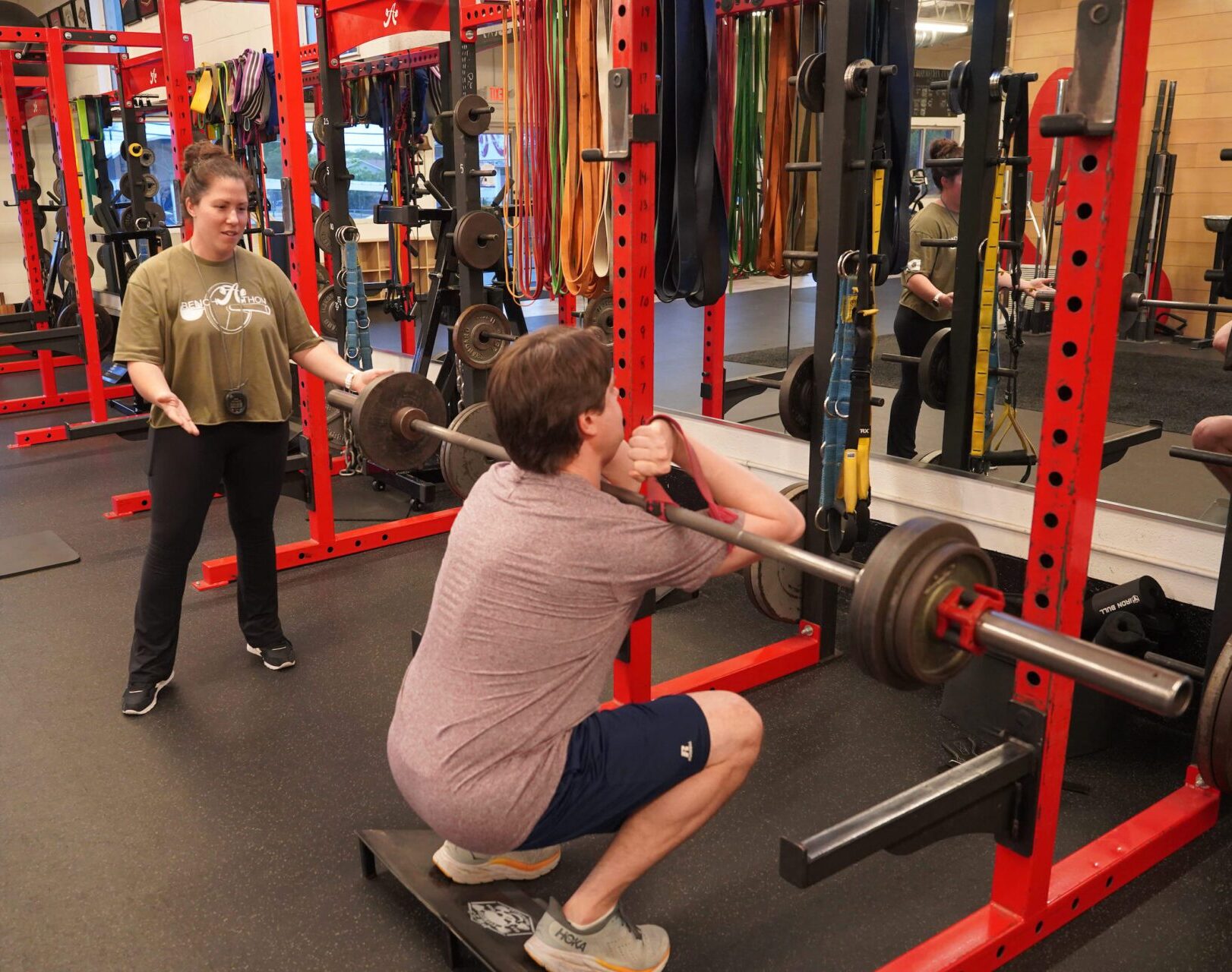 Once your nervous system understands a pattern, your body is finally free to express strength through it. That’s when training starts becoming genuinely productive, and the effects compound:
Repetition → Motor Learning → More Load → Faster Results
More exposure to a pattern builds better coordination. Better coordination cleans up your technique. Cleaner technique means more effective muscle recruitment. And that translates directly into more load your body can safely handle, which is what actually builds strength over time. Chase novelty instead, and you reset that loop before it ever gets moving.
Repetition Beats Novelty
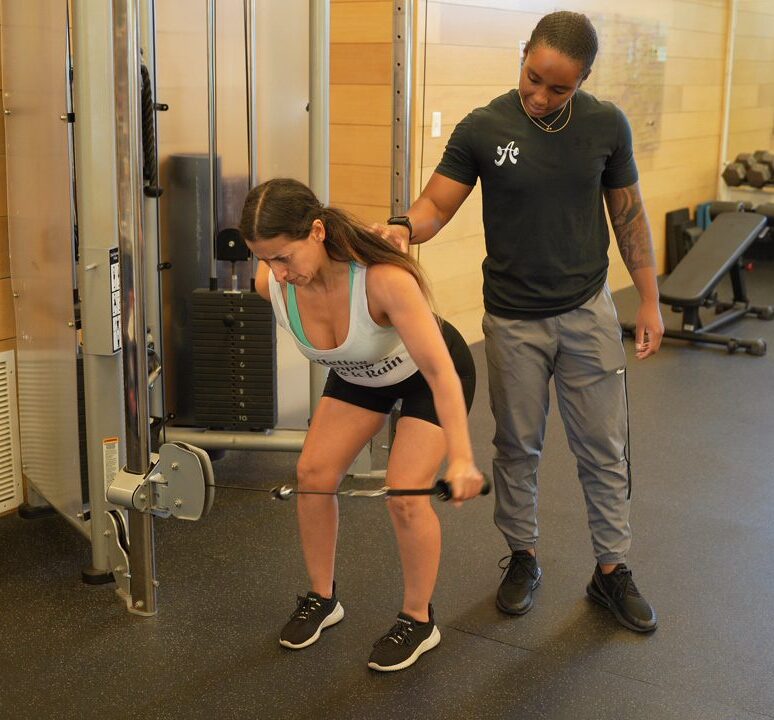
None of this means your training never changes; progression does matter. But real progression looks like adding load, refining technique, or advancing a pattern once you’ve mastered it. It doesn’t look like reinventing your entire workout every week to keep things feeling fresh.
If a movement starts to feel repetitive, that’s not a sign something’s wrong. It’s often a sign your body is right where it needs to be to start making real progress. Mastery is the goal. Entertainment is not.
How We Train at Austin Simply Fit
Our programs are built on this principle from day one. Every training plan we design is simple, structured, and repeatable, because that’s what actually produces results, not what fills a highlight reel. The structure your coach chooses for you is based on your training age, movement quality, and recovery, not on boredom, trends, or what an influencer says. We focus on helping you master the movements that build real, lasting strength, using intelligent programming grounded in how your body actually learns.
Let’s build your lifetime strength. Book a consultation and structural balance assessment and learn why structured, repeatable strength training is the ultimate vehicle for your results.