Training
Three Movement Tests You Can Do at Home to Predict Joint Injury
Most injuries don’t come completely out of nowhere.
Long before your knee, hip, shoulder, or low back starts hurting, your body may already be showing signs that something isn’t moving or working the way it should. Limited mobility, strength imbalances, and compensation patterns can quietly change how you squat, walk, run, climb stairs, or train.
At Austin Simply Fit, we call these weak links. Identifying them before they become painful is one of the reasons assessment is such an important part of a good strength program.
Here are three simple movement checks you can try at home to get a better idea of how well your body is moving.
1. The Bodyweight Squat Test
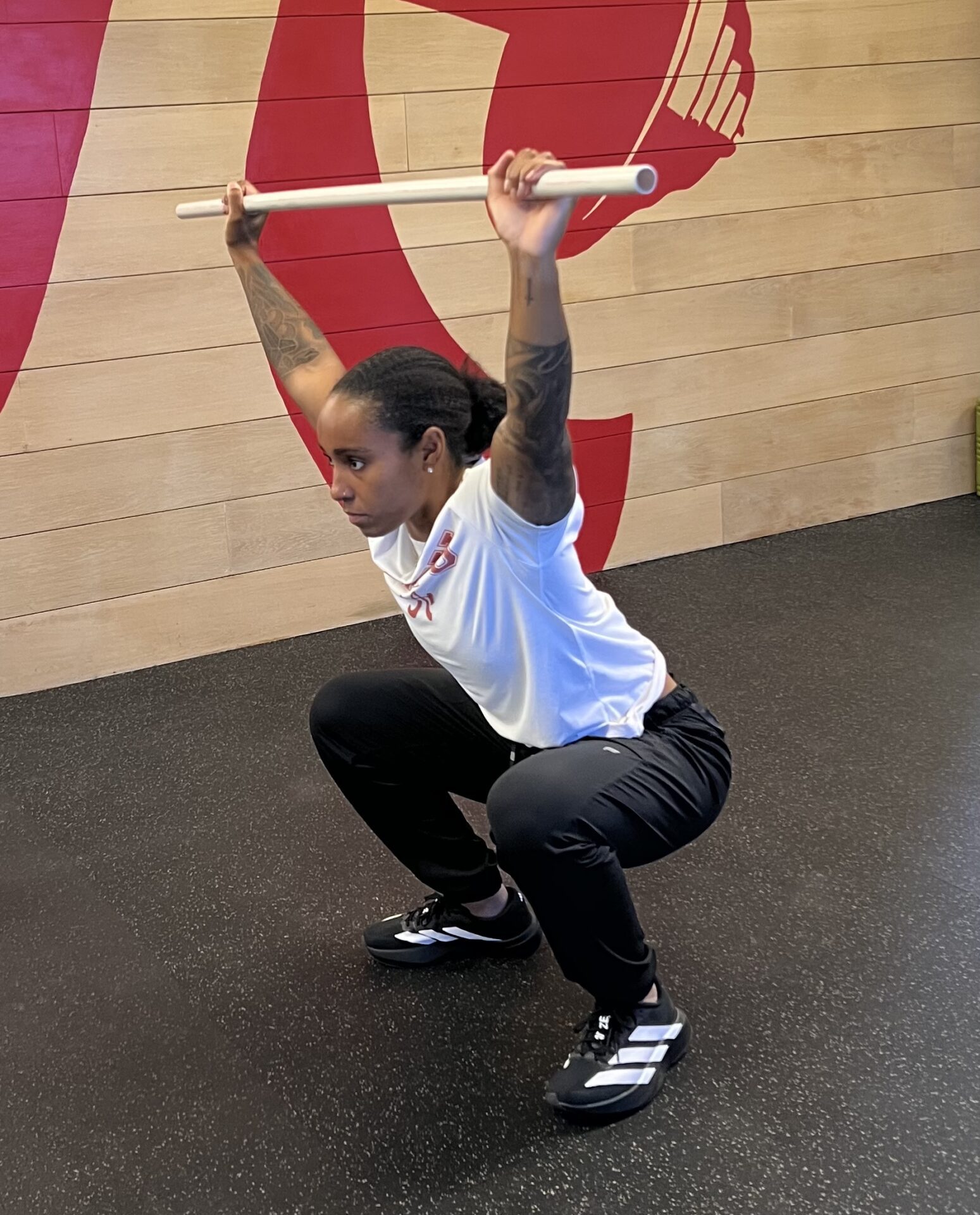
Stand with your feet approximately shoulder-width apart and squat down as comfortably as you can.
As you move, pay attention to a few things:
- Do your heels stay firmly on the floor?
- Can you reach at least a 90-degree knee bend without your heels lifting?
- Does your low back stay relatively neutral rather than dramatically rounding?
- Do your knees track in line with your feet rather than collapsing inward?
- Can you maintain control throughout the movement?
If your heels immediately come off the floor, your body may be compensating for limited ankle mobility. If your knees collapse inward, there may be a strength or control issue elsewhere in the chain.
The important thing to understand is that where you see the compensation isn’t necessarily where the problem originates.
Your knee may be moving poorly because of what’s happening at your ankle or hip. Your low back may compensate because you’re unable to access enough mobility somewhere else.
That’s why simply stretching or strengthening the area that hurts isn’t always the answer.
2. Check Your Ankle Mobility
Your ankles have a surprisingly large influence on the way the rest of your body moves.
Adequate ankle dorsiflexion—the ability of your shin to move forward over your foot—is particularly important for squatting, lunging, running, jumping, and even walking.
When ankle mobility is restricted, your body still has to find a way to complete the movement. You might:
- Lift your heels when you squat.
- Turn your feet outward.
- Allow your knees to collapse inward.
- Shift your weight excessively.
- Compensate through your hips or low back.
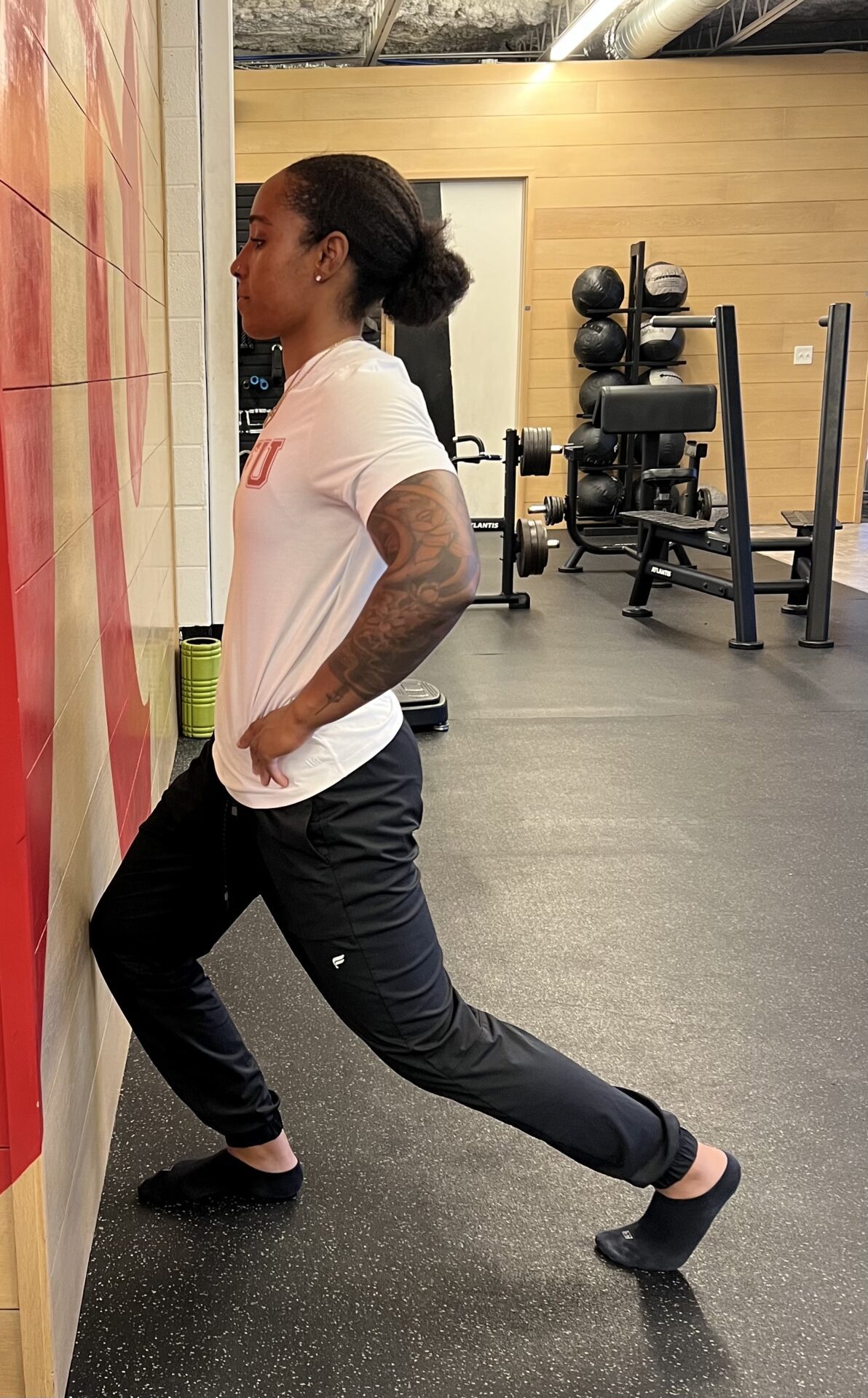
You can get a simple look at your ankle mobility by standing in front of a wall with your foot flat on the ground and slowly driving your knee forward over your toes without allowing your heel to lift. See how far from the wall you can stand and still reach the wall with your knee, without your heel lifting.
The goal isn’t to diagnose yourself or chase a particular number at home. It’s to notice whether there is an obvious restriction or significant difference between your right and left sides.
Asymmetry matters. If one side moves significantly differently from the other, your body may compensate every time you train.
3. The Single-Leg Squat Test
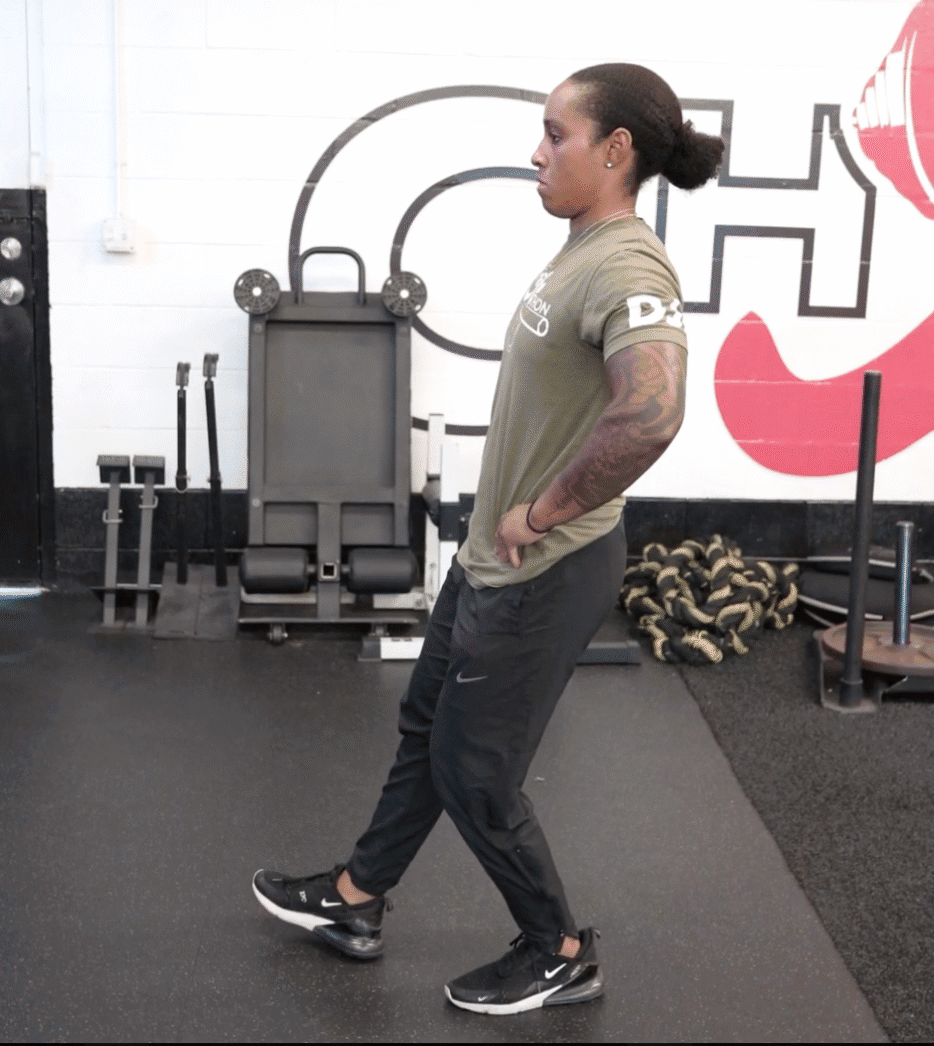
Now let’s add another challenge: controlling your body on one leg.
Stand near something sturdy for safety and slowly perform a shallow single-leg squat.
Watch what happens at your knee.
Does it remain relatively aligned with your foot, or does it collapse inward?
Difficulty controlling the knee can sometimes indicate weakness or poor recruitment of the muscles responsible for stabilizing the knee and hip. One muscle we pay attention to is the vastus medialis oblique (VMO), part of the quadriceps that contributes to knee stability and control.
But again, the goal isn’t to look at one movement and decide, “My VMO is weak.”
Movement is more complicated than that.
Your ankle mobility, hip strength, balance, previous injuries, training history, and strength ratios can all influence what you see.
That’s exactly why professional assessment matters.
A Movement Test Is a Clue, Not a Diagnosis
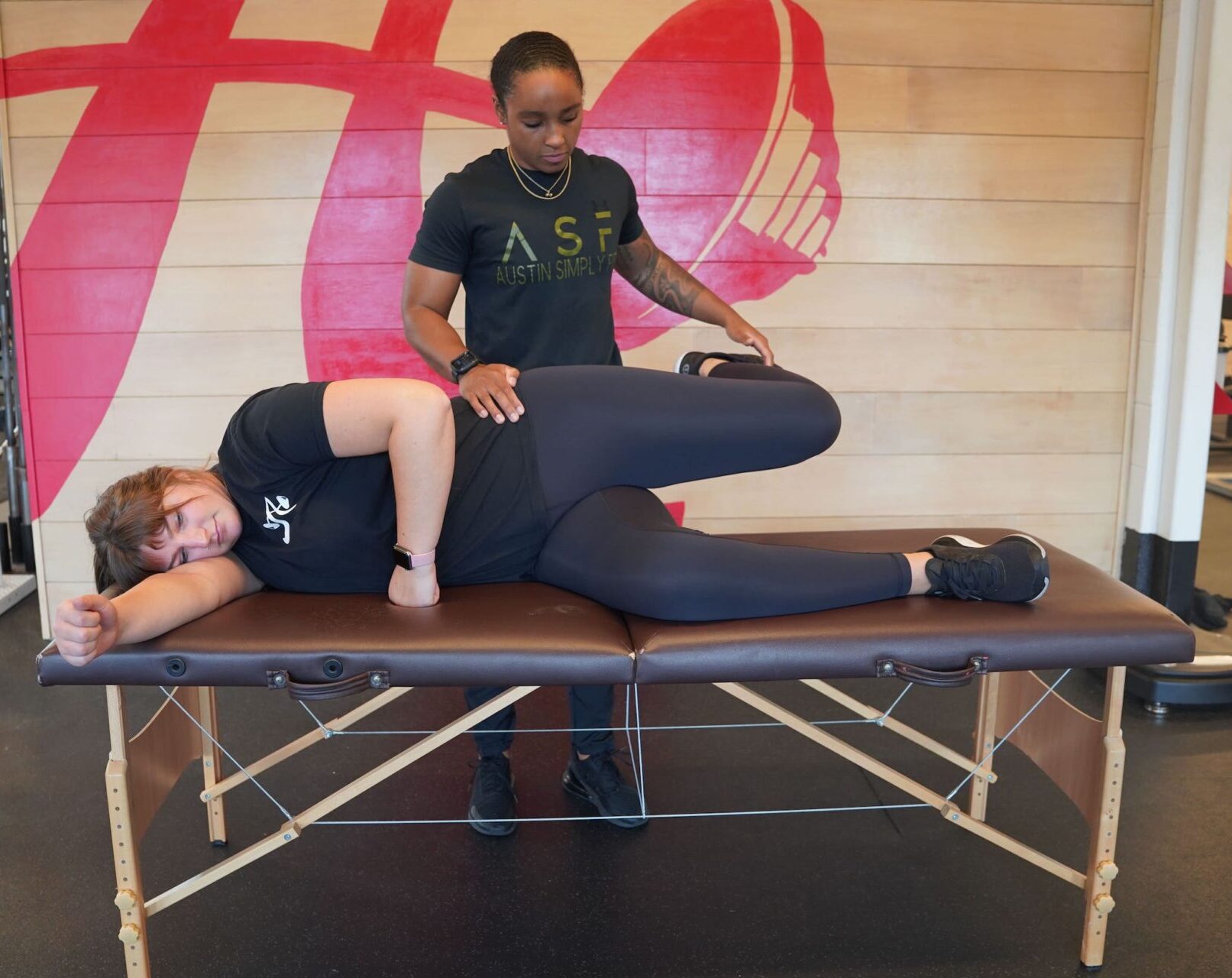
These three tests can give you useful information, but they aren’t meant to predict with certainty whether you’ll get injured.
Think of them as clues.
If your heels lift during a squat, one knee collapses inward, one ankle moves significantly less than the other, or you struggle to control a basic movement, your body is telling you something worth investigating.
At Austin Simply Fit, we don’t believe the solution is simply to avoid challenging movements.
We want to understand why the movement is difficult and then build the strength and mobility necessary to improve it.
That’s the philosophy behind our Structural Balance approach.
Find Your Weak Links Before They Become Bigger Problems
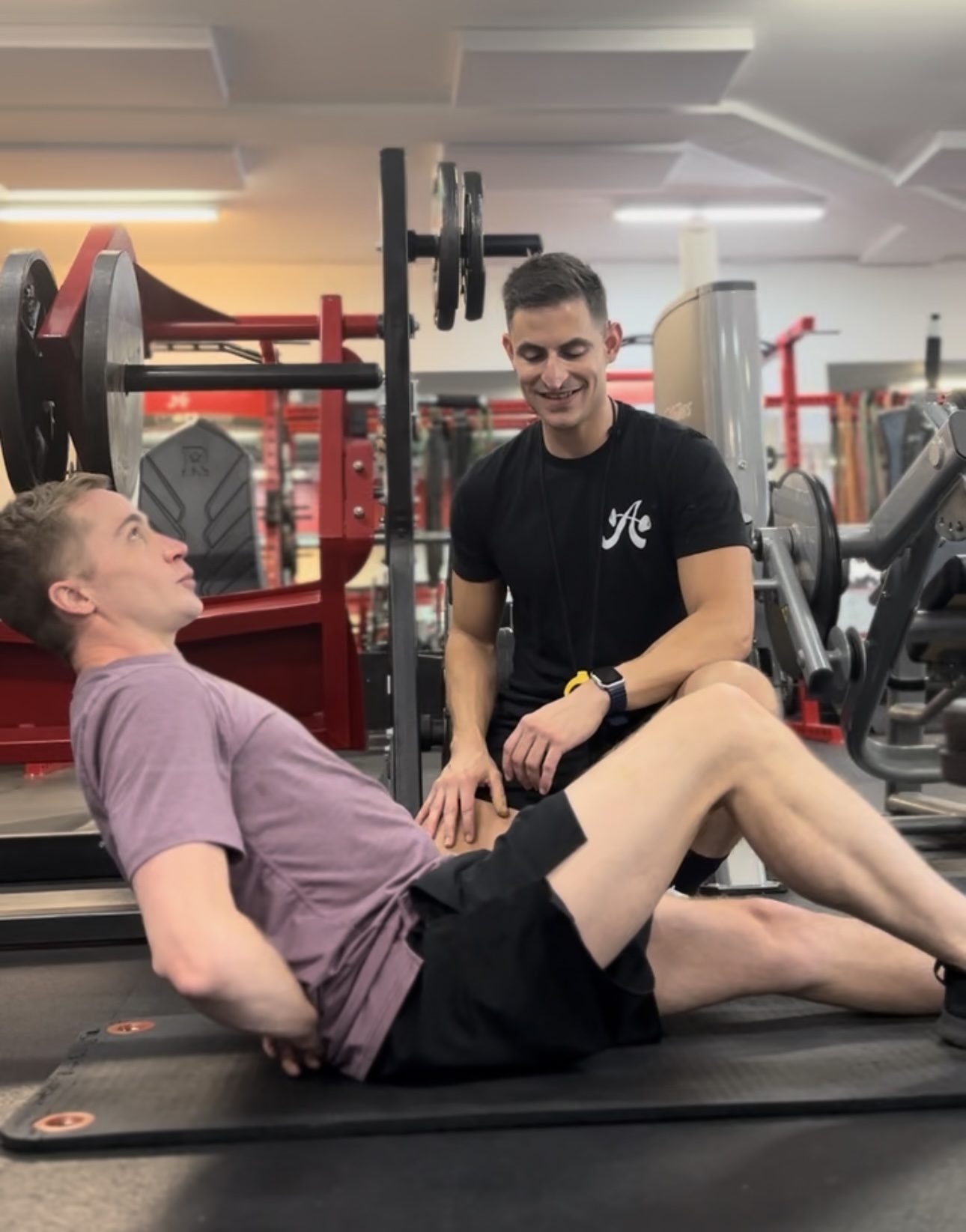
Your body functions as a system. When one part of that system isn’t doing its job effectively, another area often picks up the slack.
Over time, those compensations can affect movement quality, training performance, and potentially injury risk.
A professional assessment allows a coach to look beyond a single squat or mobility test and evaluate how your strength, mobility, flexibility, and movement patterns work together.
From there, we can build a training program designed around your body, rather than handing you a generic workout.
Because getting stronger isn’t just about adding more weight.
It’s about building strength on a foundation that can support it.
Ready to See What Your Body Is Telling You?
Schedule a Structural Balance Assessment with an Austin Simply Fit coach.
We’ll assess your movement, identify potential weak links and imbalances, and show you where your training should focus so you can build a stronger, more resilient body.
Assess. Train. Repeat.
That’s the Austin Simply Fit way.
Click here to schedule a free consultation and structural balance assessment with one of our qualified personal trainers.