Nutrition & Lifestyle
GLP-1 Medications & Your Fitness Journey
At ASF, we believe that health drives performance. If you’ve been doing everything “right” and still feel like your body is working against you, you’re not imagining it. Fat loss is a physiological process, and for many, the internal environment simply isn’t set up for it to happen. Poor blood sugar control, chronic stress, and insulin resistance can cause your body to actively fight fat loss, no matter how hard you’re working.
GLP-1 medications are changing that for a lot of people, and for good reason. But they are not a magic bullet. Simply weighing less is not the goal. We want to decrease body fat while preserving, and even building, muscle. That requires strength training, and it requires the right nutritional strategy. No medication changes that.
This guide breaks down how GLP-1s work, why the risks are real if they’re not managed properly, and exactly what you need to do alongside the medication to come out the other side stronger — not just lighter.
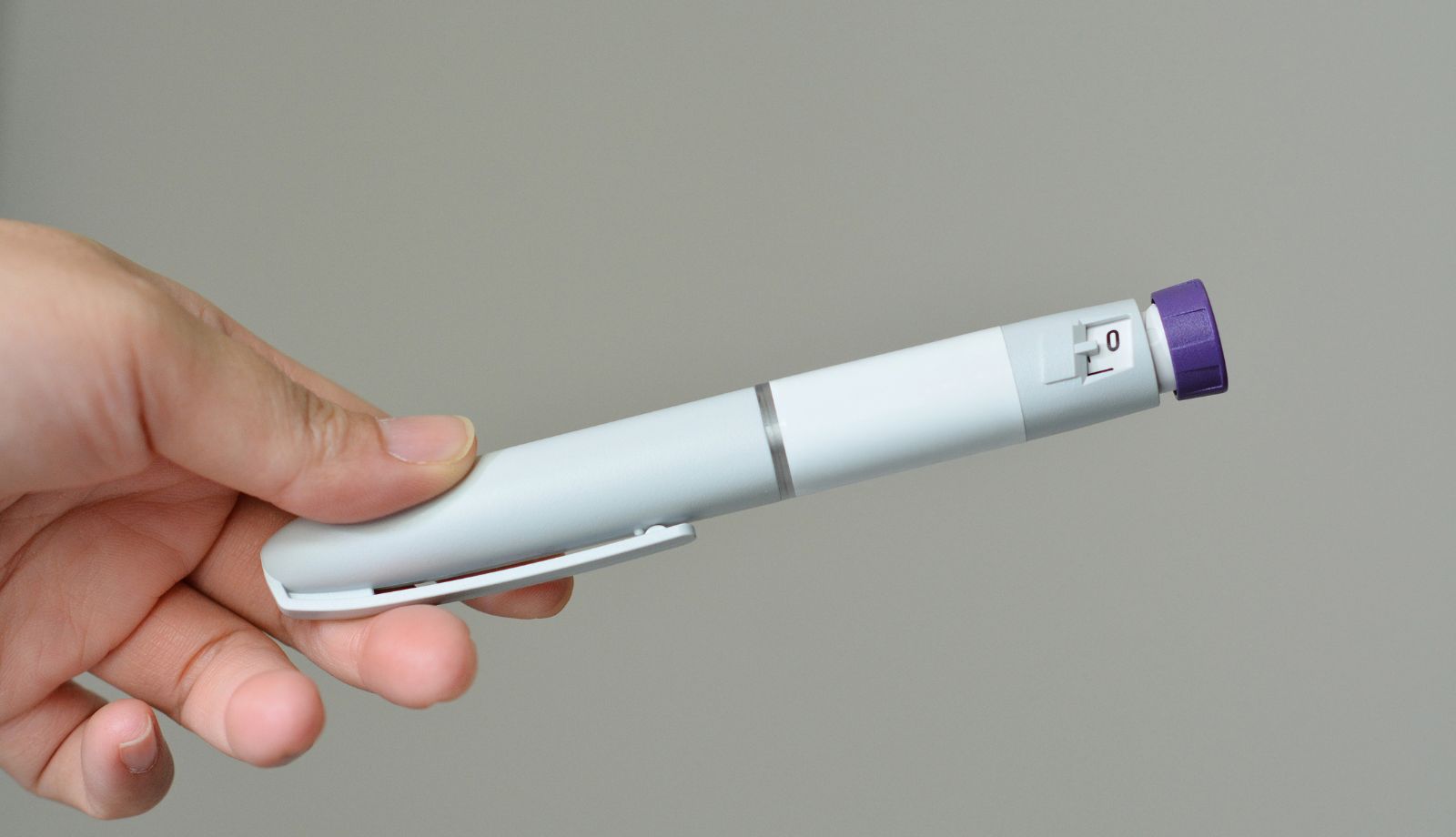 What is a GLP-1?
GLP-1 (glucagon-like peptide-1) is a hormone your gut naturally releases when you eat. Think of it as a communication bridge between your gut, brain, and pancreas. The medication is simply a louder, longer-lasting version of that natural signal.
It works through three main mechanisms:
- Brain: Turns down “food noise” and increases feelings of fullness
- Pancreas: Triggers insulin release and controls blood sugar more effectively
- Gut: Slows stomach emptying so nutrients enter your bloodstream gradually, reducing blood sugar spikes and crashes
Why Was Fat Loss Blocked Before?
Most people struggling with fat loss share three common patterns:
- Insulin resistance — When insulin is chronically elevated, fat burning is biochemically locked. Insulin is a storage hormone.
- Chronic stress — Alters hunger hormones, disrupts recovery, and creates inconsistent energy throughout the day.
- Dysregulated appetite signaling — The brain becomes resistant to fullness signals, leading to constant cravings and overeating without awareness.
GLP-1 medications help correct all three. That’s why they work.
The Different Medications
Not all GLP-1s are the same:
- Semaglutide (Ozempic, Wegovy) — Strong appetite suppression and significantly delayed stomach emptying. Users may experience more nausea and difficulty eating volume.
- Tirzepatide (Mounjaro, Zepbound) — Adds GIP, which improves how your body handles and uses nutrients. Often easier on digestion with strong fat loss results.
- Retatrutide (emerging, not yet approved) — Adds glucagon activation, which can actively raise metabolic rate. Used more often in already-lean individuals; appetite suppression is less pronounced.
The Real Risks — What Goes Wrong Without Coaching
GLP-1s reduce the resistance to behavior change, but they introduce serious blind spots if left unmanaged:
- Under-eating – Appetite suppression can lead to severe under-eating. Low energy availability tanks your metabolism, accelerates muscle loss, and stalls recovery. Just because you’re not hungry doesn’t mean your body doesn’t need fuel.
- Hunger Is No Longer a Reliable Signal – “I’m not hungry” does not mean your physiology is optimized. The drug mutes hunger artificially. Your body still has real nutritional needs.
- Protein & Micronutrient Deficiency – Satiety is high and stomach capacity is low, so protein intake almost always drops. Slower digestion also means less micronutrient absorption, leading to deficiencies that stall progress.
The Honeymoon Phase vs. Long-Term Reality
The first few months on a GLP-1 often produce rapid weight loss. This is largely due to a sudden caloric drop, reduced inflammation, and loss of water and glycogen, not fat loss alone.
As the body adapts, metabolism naturally downregulates. If that window isn’t used to build real habits, including structured training, adequate nutrition, and a consistent lifestyle, progress stalls. Worse, weight lost without resistance training is stripped from both fat and muscle, leaving a “skinny fat” result with a slower metabolism and little physical foundation to show for it.
The medication opens the window. Your habits determine whether the result is permanent.
 What to Prioritize
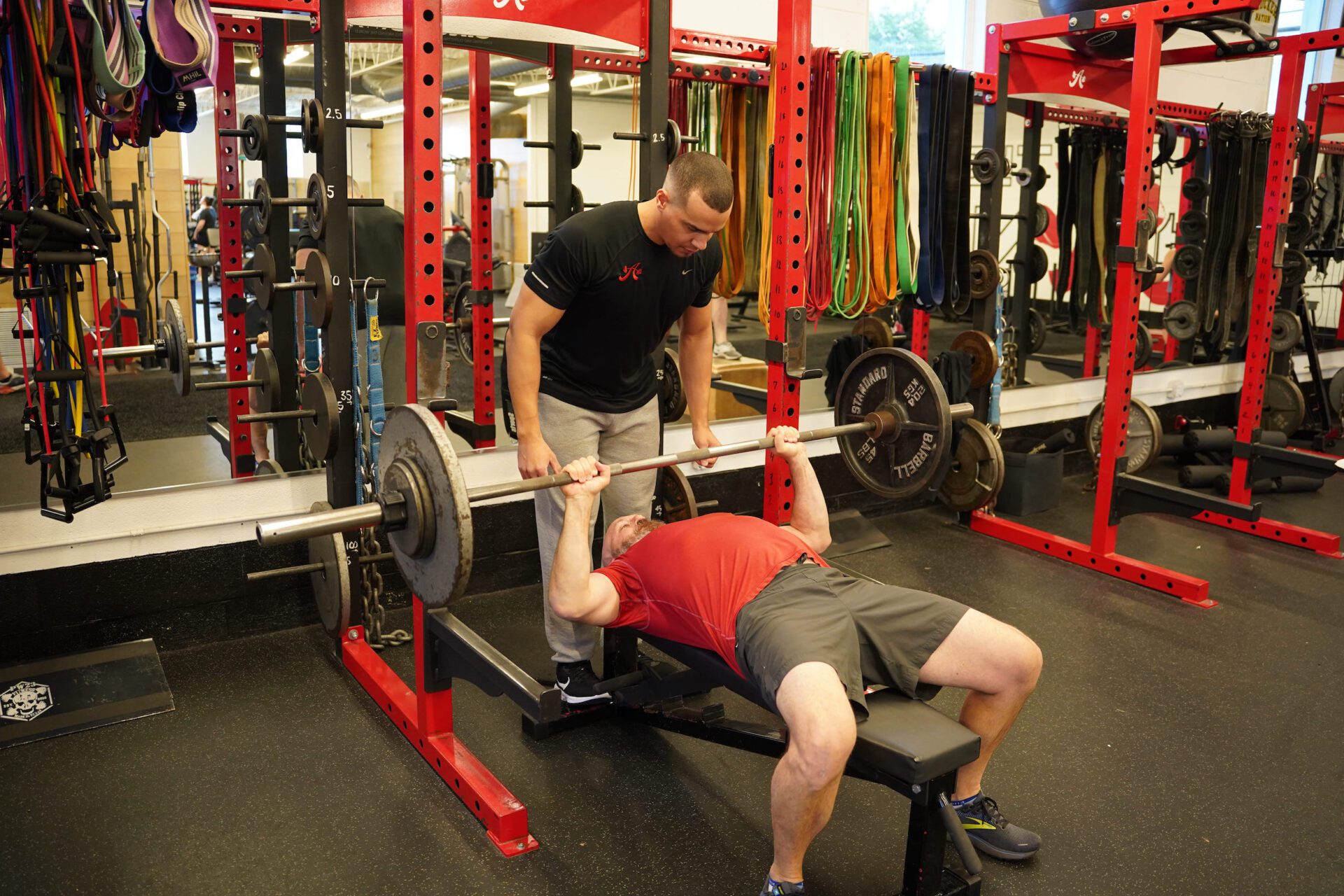
Whether you’re on a GLP-1 or not, this framework applies, but for GLP-1 clients, the urgency is higher because muscle tissue is at serious risk.
Protect Lean Mass – Resistance training 3–5x per week is non-negotiable. Mechanical tension is the only signal that tells your body to hold onto muscle when calories are low. Protein must be a priority. Aim to consume between 1.6-2.2 grams of protein per kilogram of body weight.
Build Your Aerobic Base – Fat burning happens inside the mitochondria. Without a solid aerobic base, fat loss stalls regardless of medication. This is why we prioritize steady-state conditioning over excessive high-intensity work, especially when your body is already in a low-energy state.
Support Blood Sugar Daily – Even with the medication helping, simple habits reinforce results:
- Walk 10–15 minutes after meals
- Eat protein first
- Choose whole, low-glycemic foods
- Keep meal timing consistent
Track Biofeedback, Not Just the Scale – Sleep, energy, recovery, digestion, stress, and hunger levels all tell us more than the scale alone. These are the metrics your coach should be checking consistently.
The Bottom Line
GLP-1s are a powerful internal reset. But a lower number on the scale means nothing if there’s no muscle underneath and no metabolism to sustain it. Health drives performance — and it’s our job to make sure that when your internal health improves, a strong, capable body is there to match it.
Written by Sierra Nevels