Training
The Fun Factor: Using Racket Sports for Active Recovery and Cardiovascular Health
Guest post from Golden Racket Academy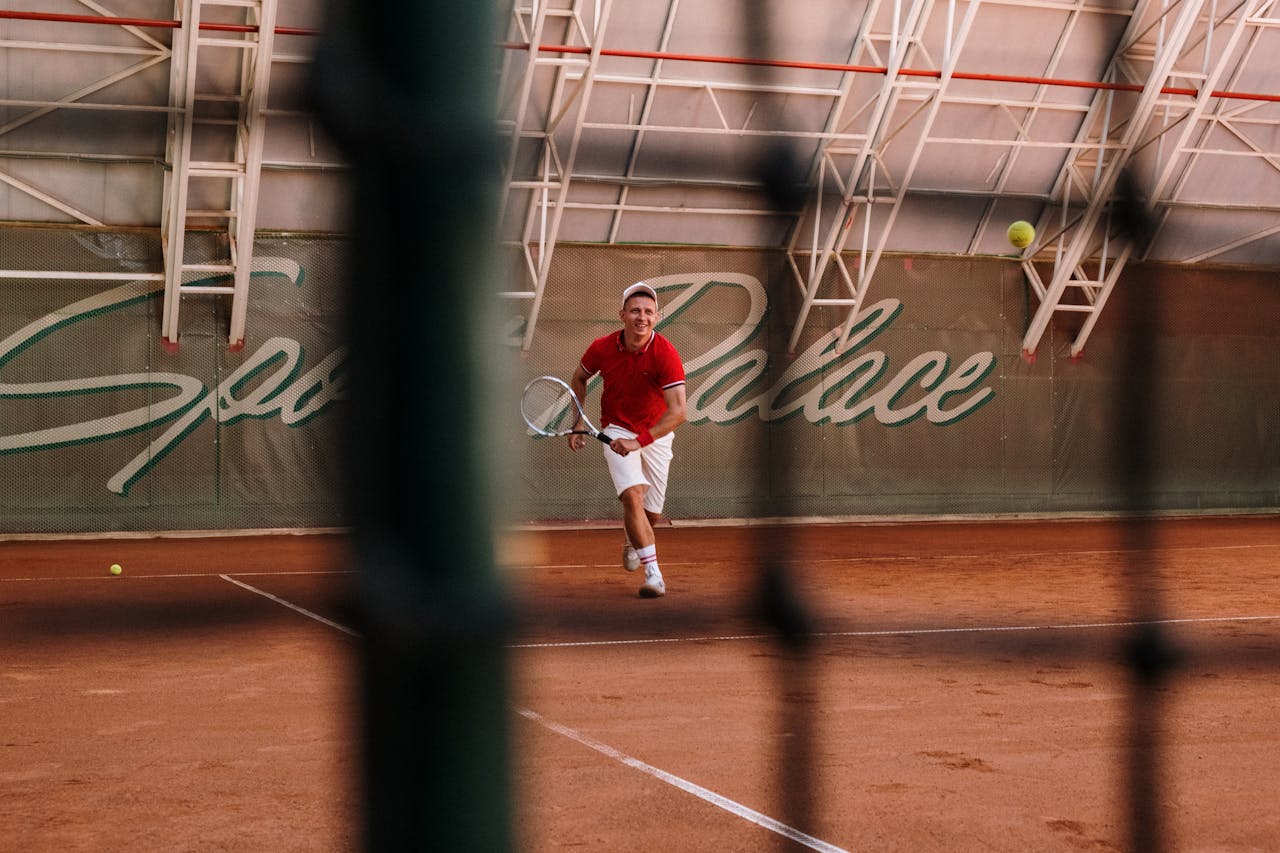 If you are training hard in the gym, you already know that recovery is just as important as the workout itself. But let us be honest for a second. Staring at the wall while sitting on a stationary bike for forty-five minutes on your rest day is incredibly boring.
Worse yet, many people fall into the trap of “passive recovery”—spending their entire off-day locked to the couch. While rest is necessary, complete inactivity often leaves your muscles feeling stiffer and more inflamed the next day. You need to move your body to recover effectively, but you also desperately need a mental break from the iron.
This is exactly why so many athletes, lifters, and dedicated gym-goers in Austin are completely rethinking their rest days and turning to racket sports.
Getting out on the court offers the absolute perfect blend of low-intensity movement, cardiovascular conditioning, and genuine fun. Here is why swapping your dreaded treadmill session for a paddle or racket might be the single best thing you can do for your training program.
Flushing the System Without the Strain
The whole point of active recovery is to increase blood flow to your muscles without putting them under heavy mechanical stress. This increased circulation acts as a delivery system—it helps clear out lactic acid buildup and shuttles vital nutrients to your muscle tissues so they can rebuild after a heavy lifting session.
When you play a casual, relaxed game of pickleball or run through some light tennis drills, you are constantly in motion. You are taking light, quick steps, swinging your arms, and gently rotating your core. This full-body, dynamic movement acts as a flush for your system and naturally lubricates your joints. Because you control the pace of a casual game, you can easily keep your heart rate in that optimal Zone 2 cardiovascular range, building a massive aerobic base without taxing your body.
Bulletproofing Your Body Across New Planes of Motion
Lifting weights is incredible for building raw strength, but it happens almost entirely in a linear, predictable plane of motion (the sagittal plane). Whether you are squatting, deadlifting, or bench-pressing, you are usually pushing straight up or pulling straight back.
Racket sports force you to break out of that box. You have to track a moving object, react instantly, and most importantly, move laterally and rotationally. This cross-training improves your hand-eye coordination and builds up those tiny, highly neglected stabilizer muscles in your ankles, knees, and hips. Strengthening these stabilizers in the frontal and transverse planes means a much lower risk of injury when you finally get back under the heavy barbell.
Resetting the Central Nervous System
Sometimes the biggest benefit of active recovery is simply getting out of the gym environment. Heavy compound lifts completely fry your Central Nervous System (CNS). Taking your recovery day outside into the Austin sunshine provides a massive, much-needed reset for your brain.
Instead of counting reps, obsessing over progressive overload, or staring at a heart rate monitor, you are just playing a game. The hand-eye focus required to hit a ball back over the net forces you to be entirely present in the moment. You stop stressing about your next heavy leg day, get a rush of dopamine from acquiring a new skill, and remember what it feels like to just enjoy moving your body.
How to Work It Into Your Routine
If you want to use racket sports for recovery, the golden rule is to keep the intensity manageable. You do not want to go out and play a grueling, highly competitive three-hour singles tennis match that leaves you exhausted.
Keep it light, rally with a friend, and focus on the fundamentals. If you are brand new to these sports, getting a bit of coaching early on is crucial to ensure you have the right mechanics so you do not accidentally tweak a shoulder or an elbow. For locals looking to get started the right way, booking private tennis lessons in Austin, Texas is a great way to dial in your form at your own pace without overexerting yourself. If you want something with a slightly lower barrier to entry that you can play casually right out of the gate, jumping into some private pickleball lessons in Austin will get you moving, sweating, and recovering safely on day one.
The next time your training schedule calls for an active recovery day, skip the stationary bike. Grab a racket, find a local court, and remember that fitness is actually supposed to be fun.